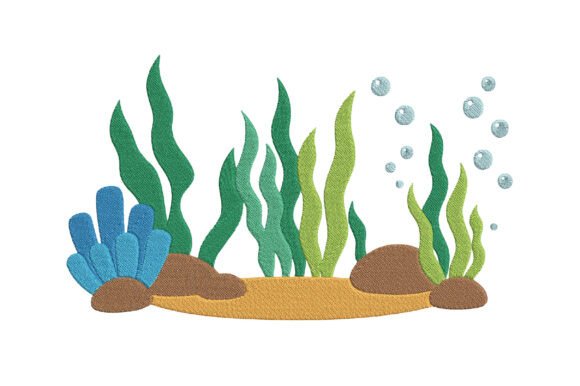
Underwater Seabed Embroidery Design Review
As a professional embroidery designer who has spent years translating digital concepts into tangible threads for small business owners, I approach every new machine embroidery design with a critical eye. The goal is never just to create something pretty; it is to build an asset that elevates a brand. Recently, I reviewed the Underwater Seabed Embroidery Design, a pattern described as a stunning underwater scene featuring an ocean floor with corals, sea plants, and marine elements. While this specific design is categorized under Single Flowers in some libraries due to its botanical coral focus, its application extends far beyond floral motifs. It promises a calm, magical aesthetic that could be transformative for the right small business merch.
First Impressions: Aesthetic and Brand Personality
When I first loaded the preview of the Underwater Seabed Embroidery Design, the immediate feeling was one of organic tranquility. Unlike bold, geometric logos that scream for attention, this design whispers sophistication. For businesses like boutique florists, eco-friendly skincare brands, or seaside cafés, this visual personality is gold. It feels handmade yet premium, rustic yet modern. The inclusion of corals and sea plants suggests a connection to nature, which is a powerful narrative tool for building brand identity. If your target audience values sustainability, mindfulness, or coastal living, this embroidery file aligns perfectly with those values.
However, the classification as Single Flowers might confuse some buyers expecting a simple bloom. In reality, the complexity of the seabed scene offers a rich tapestry of textures. This makes it less of a standard logo and more of a decorative statement piece. For a local bakery wanting to differentiate itself from competitors using generic script fonts, this design offers a unique visual hook that implies quality and care.
Real-World Applications for Small Business Merchandise
The true test of any digital embroidery file is how it performs when stitched onto actual products. Here is how I see the Underwater Seabed Embroidery Design functioning across various commercial projects:
- Embroidered Patches: This is perhaps the most versatile use case. The intricate details of the corals and sea plants work beautifully within a defined border. Creating a high-quality embroidered patch allows you to apply this complex scene to denim jackets, backpacks, or tote bags without worrying about the fabric distortion that can happen with direct stitching on soft materials.
- Apron Embroidery: For chefs, baristas, or crafters, an apron is a moving billboard. Placing a smaller version of this design on the chest pocket of a linen or canvas apron adds a touch of whimsy and professionalism. It turns a utilitarian garment into a branded uniform piece that staff will actually enjoy wearing.
- Tote Bag Design: Canvas totes are a staple for custom apparel and promotional giveaways. The sturdy nature of tote bag fabric supports the density required for the seabed elements. A large-scale version of the Underwater Seabed Embroidery Design on the front of a natural-colored tote creates an instant "eco-chic" vibe perfect for farmers' markets or boutique retail.
- Cap Embroidery: While caps have limited space, a simplified version focusing on a single coral cluster or sea plant could serve as a subtle left-side accent. However, the full scene might be too busy for a curved cap front unless scaled down significantly.
- Product Packaging Accents: Imagine a small box for jewelry or candles with a felt label featuring this design. It elevates the unboxing experience, making the finished product feel like a curated gift rather than a mass-market item.
Strategic Considerations and Potential Pitfalls
While the Underwater Seabed Embroidery Design is visually captivating, a professional must know where to exercise caution. Not every design works on every surface or at every size.
Size and Detail Constraints
The description highlights "corals, sea plants, and marine elements." These are inherently detailed components. If you attempt to shrink this design to fit a tiny buttonhole patch or a small cap front, the individual stitches may blend together, creating a muddy texture. Always check the minimum recommended size. If the design relies on fine lines to define the sea plants, shrinking it below 2 inches might lose the definition entirely. For cap embroidery, consider isolating a single element rather than using the full seabed scene.
Fabric Texture and Stabilizer Needs
Because this design features organic shapes, it requires a stable foundation. On textured fabrics like fleece, heavy denim, or knitted sweaters, the "calm, magical" effect can be lost if the thread sinks into the weave. You must use a proper stabilizer—likely a cut-away for stretchy items or a tear-away for woven goods—to ensure the corals stand out. Without adequate support, the stitch density might cause puckering, ruining the professional look of your commercial embroidery project.
Color Contrast and Visibility
Ocean themes often rely on blues, greens, and teals. If you are applying this to a dark navy uniform or a black tote bag, you must carefully select thread colors. Light pastels against dark backgrounds require high stitch counts to appear solid, which increases production time and cost. Conversely, on light beige or white linens, the design will pop naturally. Always review the color palette before committing to a bulk order.
Impact on Brand Identity and Customer Trust
Using a cohesive design like the Underwater Seabed Embroidery Design does more than decorate; it builds trust. When customers see consistent, high-quality design assets across your handmade product line, they perceive your brand as established and reliable. A well-executed embroidery job signals that you pay attention to detail. This is crucial for Etsy sellers and boutique owners competing in a saturated market. The tactile nature of embroidery engages the senses in a way that printed graphics cannot, increasing buyer engagement and the perceived value of the item.
Furthermore, the thematic consistency of an underwater scene can become a signature for your brand. If you are a pet brand specializing in aquatic-themed accessories, or a studio focused on ocean conservation, this design reinforces your mission. It transforms a simple shirt or bag into a statement of affiliation, fostering a deeper connection with your community.
Practical Designer Notes for Production
Before you purchase the license or start stitching, follow these steps to ensure success with the Underwater Seabed Embroidery Design:
- Test in Black and White: Before selecting vibrant thread colors, run a test stitch in a single color (usually black) to verify the shape integrity and spacing. This reveals if any parts of the corals or plants are too thin or disconnected.
- Verify Hoop Size: Check the dimensions of the design against your machine's maximum hoop size. If the design exceeds your hoop, you will need to split it, which can lead to registration errors between sections.
- Create a Printable Mockup: Generate a printable mockup showing the design on your intended product. Show this to your client or team for approval before cutting any thread. This saves money on wasted materials.
- Check Commercial Licensing: Ensure your license covers the scope of your business. If you plan to sell hundreds of small business merch items, you may need a broader commercial license compared to selling a few custom pieces.
- Inspect Stitch Density: Look closely at the area files. High density areas might require slower stitching speeds to prevent thread breakage, especially with delicate sea plant outlines.
- Compare with Other Assets: Place the design next to your existing logo or other branding elements. Does the style match? Ensure the organic flow of the seabed doesn't clash with rigid typography elsewhere in your brand kit.
In conclusion, the Underwater Seabed Embroidery Design is a powerful tool for businesses looking to inject nature-inspired elegance into their merchandise. By understanding its strengths in patch creation and tote bag applications, while respecting its limitations regarding size and fabric texture, you can leverage this Embroidery pattern to create memorable, high-value products. Whether for a café apron, a boutique patch, or a custom cap, this design offers a unique opportunity to tell your brand's story through the timeless art of thread.