Lavender Wildflower Embroidery Design Review
As a professional embroidery designer who has spent years translating digital files into tangible brand assets, I approach every new machine embroidery design with a critical eye. It is not enough for a pattern to look pretty on a screen; it must translate seamlessly into physical merchandise that withstands the rigors of daily use and elevates a small business's image. Today, I am reviewing the Lavender Wildflower Embroidery Design, a file categorized under Single Flowers within the broader Embroidery type. My goal is to determine if this delicate floral bouquet is merely decorative or if it holds the structural integrity required for branded patches, uniforms, and high-end merch.
First Impressions: Elegance Meets Botanical Detail
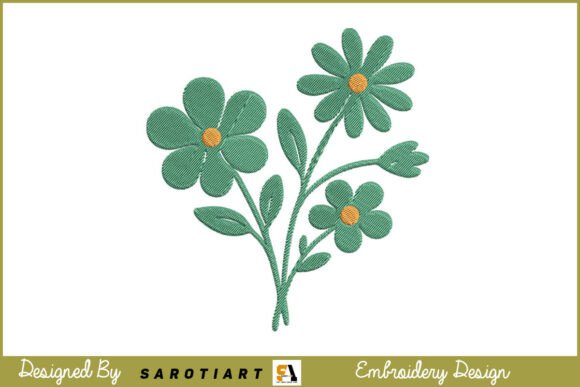
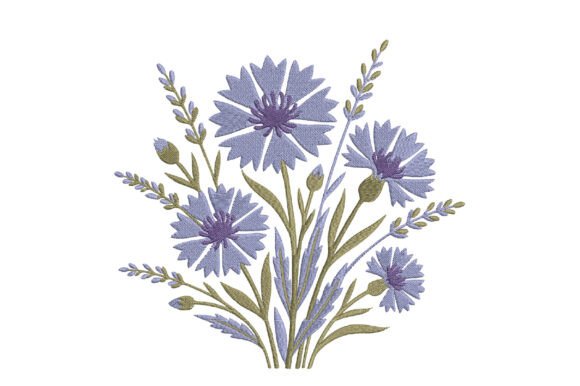
Upon opening the digital preview of the Lavender Wildflower Embroidery Design, the immediate impression is one of refined elegance. The description promises a delicate floral bouquet featuring leaves and botanical elements, and the visual execution delivers exactly that. Unlike bold, geometric logos often used in corporate settings, this design exudes a rustic yet premium charm. It feels handmade and organic, making it an ideal candidate for businesses that want to project warmth, creativity, and attention to detail.
For boutique owners, florists, bakeries, or creative studios, this aesthetic is powerful. It avoids the sterile feel of vector graphics and embraces the texture of real thread. However, as a designer, my first concern with such intricate botanical work is whether the "delicate" nature of the petals will hold up when scaled down for commercial application. The balance between the lavender stems and the surrounding foliage suggests a complex interplay of stitches that requires careful handling during digitization and stitching.
Strategic Applications for Small Business Merchandise
The versatility of the Lavender Wildflower Embroidery Design extends far beyond simple decoration. When evaluating its potential for small business merch, several high-impact use cases emerge. This design is particularly well-suited for creating custom apparel that tells a story. Imagine a local café where staff wear aprons featuring this floral motif on the chest pocket. The soft purple hues of the lavender would contrast beautifully against a crisp white or sage green fabric, instantly communicating a fresh, artisanal vibe.
Consider the application of this design as an embroidered patch. Patches are a staple for brands looking to add a tactile element to their products without committing to full-garment embroidery. A high-quality patch featuring this wildflower bouquet could be sewn onto denim jackets, canvas tote bags, or even backpacks sold at a craft fair. For an Etsy seller or a handmade brand, these patches serve as excellent branding tools, allowing customers to display their loyalty while adding a customizable flair to their own wardrobe.
Furthermore, this design excels in cap embroidery. Placing a smaller version of the bouquet on the front panel of a structured cap creates a sophisticated logo alternative. It works exceptionally well for event merchandise, such as wedding favors, bridal party gifts, or promotional items for a botanical garden fundraiser. The tote bag design potential is also significant; a large-scale version centered on a cotton tote transforms a utilitarian item into a fashion statement, perfect for farmers' markets or bookstores.
Enhancing Brand Identity Through Texture
In the competitive landscape of local commerce, brand identity is everything. The Lavender Wildflower Embroidery Design offers a unique opportunity to differentiate a brand through texture and depth. Unlike flat printing, embroidery adds dimension. When a customer runs their fingers over the raised threads of the leaves and flowers, they experience a sense of quality that builds trust and perceived value. This tactile engagement is crucial for product designers aiming to elevate their finished product from a commodity to a keepsake.
Using this design consistently across various touchpoints—from apron embroidery to packaging accents—creates visual consistency. It signals professionalism and a cohesive aesthetic. For a pet brand or a nursery, the gentle curves of the botanical elements can soften the overall brand image, making it more approachable and friendly. This emotional connection drives buyer engagement and encourages repeat purchases, as customers associate the brand with positive, natural imagery.
Critical Considerations for Production Success
While the visual appeal is undeniable, experienced decorators know that intricate designs come with challenges. Before committing to a production run of custom apparel using the Lavender Wildflower Embroidery Design, there are specific areas where caution is required. The delicate nature of the petals means that stitch density must be carefully managed. If the density is too high, the fabric may pucker, especially on lightweight materials like dress shirts or thin blends. Conversely, if it is too low, the design may lack definition and appear muddy.
Scaling is another critical factor. While the design looks stunning at a larger size, shrinking it for a tiny cap front or a small product label risks losing the intricate details of the leaves and botanical elements. In such cases, the individual flowers might blur together, compromising the elegance of the piece. I strongly advise testing the design at the intended size before mass production. Additionally, when applying this to curved surfaces or textured fabrics like corduroy or heavy denim, the stabilizer choice becomes paramount. A cutaway stabilizer is often necessary to support the weight of the thread and prevent distortion.
Color contrast cannot be overlooked. The lavender shades mentioned in the description rely on proper thread selection to pop against the background fabric. On dark uniforms, lighter thread colors are essential, but care must be taken to ensure the backing does not show through. Always test the design in black and white first to assess the structure, then move to color trials on the actual fabric intended for the final product.
Practical Designer Notes for Commercial Use
For those ready to integrate this digital embroidery file into their workflow, here are my top recommendations for ensuring a flawless result:
- Verify Technical Specifications: Check the exact stitch count and recommended hoop size before purchasing. Ensure your machine can accommodate the dimensions without excessive jumping or tension issues.
- Test on Real Fabric: Never skip the test run. Stitch the design on a scrap piece of the same material you plan to use for your finished product. This reveals how the fabric reacts to the needle and thread.
- Select the Right Stabilizer: For delicate floral work, a tear-away stabilizer might suffice for stable fabrics, but a cutaway is safer for stretchy or knit materials to maintain shape after washing.
- Create Printable Mockups: Before presenting options to clients, generate high-quality printable mockups showing the design on various garments. This helps visualize the scale and placement.
- Confirm Licensing: Ensure you have the appropriate rights for commercial embroidery. If you are selling the embroidered goods, verify that the license covers unlimited production or the specific volume you intend to create.
- Compare Design Assets: Place the Lavender Wildflower Embroidery Design alongside other design assets in your library to see how it complements your existing brand palette and style.
In conclusion, the Lavender Wildflower Embroidery Design is a robust asset for small business owners seeking to infuse their brand with elegance and natural beauty. When applied with technical precision and strategic foresight, it transforms standard merchandise into memorable brand experiences. Whether adorning a chef's apron, a boutique tote, or a promotional cap, this design has the potential to become a signature element of your brand's visual language.