Bunny Cotton Tail Embroidery Design Review
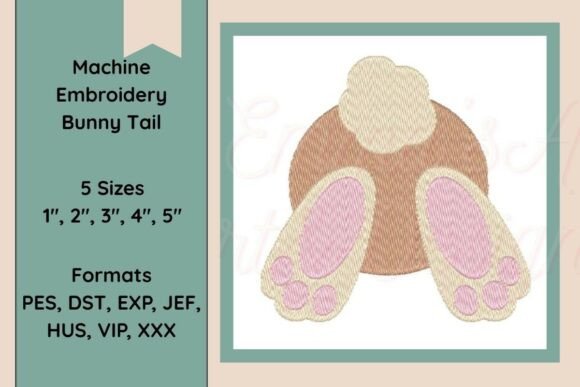
As a professional embroidery designer who has spent years translating digital files into tangible brand assets, I approach every new machine embroidery design with a critical eye. The market is flooded with decorative patterns that look great in a hoop but fail when applied to commercial merchandise. Today, I am reviewing the Bunny Cotton Tail Embroidery Design. This specific file promises to add a playful and adorable touch to your projects, featuring a cute rabbit backside with a fluffy cotton tail and floppy bunny feet. But does it hold up under the scrutiny of a small business owner looking for consistent, high-quality branding? Let's dive into how this design performs in real-world applications.
First Impressions: Visual Personality and Brand Fit
The first thing that strikes me about the Bunny Cotton Tail Embroidery Design is its inherent charm. Unlike traditional front-facing animal portraits that can sometimes feel generic or overly cartoonish, this design focuses on the rear view of the rabbit. This unique angle offers a whimsical, slightly rustic, and distinctly handmade aesthetic. It feels less like a mass-produced logo and more like a signature mark for a boutique or a creative studio.
For businesses operating in the lifestyle sector—such as bakeries, florists, pet brands, or artisanal coffee shops—this visual personality is a goldmine. It communicates warmth, friendliness, and a touch of nostalgia without shouting for attention. In terms of brand identity, this design suggests a company that values detail and playfulness. It is not bold or aggressive; rather, it is an accent piece that invites customers to pause and smile. If your brand voice is soft, approachable, and community-focused, this embroidery file aligns perfectly with those values.
Performance in Real Business Applications
When evaluating a digital embroidery file for commercial use, I always ask: where will this actually live? The Bunny Cotton Tail Embroidery Design is incredibly versatile, making it a strong candidate for various small business merch categories.
- Embroidered Patches: This is arguably the strongest use case. The distinct silhouette of the rabbit backside and the fluffy tail creates a natural border, perfect for a woven patch. You can apply these to denim jackets, canvas tote bags, or even backpacks sold at your shop. The shape allows for a clean cut without needing excessive background filling.
- Staff Uniforms and Aprons: For a café or bakery, apron embroidery using this design adds a delightful touch to staff attire. Placed on the chest pocket or the lower hem of an apron, it acts as a subtle badge of belonging. It humanizes the staff and makes the brand feel accessible.
- Cap Embroidery: While caps have limited space, the compact nature of this design works well on the side panel or the back of a cap. It avoids the clutter often seen on front panels while still offering brand recognition.
- Tote Bag Design: A large-scale version of this tote bag design could serve as the primary graphic for reusable shopping bags. The "floppy bunny feet" provide a nice anchor point at the bottom, ensuring the design looks balanced even on fabric that wrinkles.
- Product Packaging Accents: Beyond apparel, consider using this on fabric gift bags or ribbon labels for your products. It elevates the unboxing experience, turning a simple purchase into a memorable interaction.
For Etsy sellers and craft business owners, this design serves as an excellent asset for seasonal collections. While categorized under Easter, the timeless appeal of a bunny means it can be adapted for spring collections year-round, provided you adjust the thread colors appropriately.
Strategic Considerations and Limitations
Despite its charm, the Bunny Cotton Tail Embroidery Design requires careful handling to maintain professionalism. As a designer, I must highlight areas where this file might struggle if not executed correctly.
Stitch Density and Detail: The description mentions a "fluffy cotton tail." Achieving fluffiness in thread requires careful management of stitch density. If the density is too low, the tail may look sparse and unfinished. If it is too high, it could cause puckering on lightweight fabrics like t-shirts. Always test the file on a scrap piece of your actual production fabric before running a full batch.
Size Constraints: Do not attempt to shrink this design too aggressively for tiny cap embroidery or small logo tags. The details of the floppy feet and the texture of the tail may get lost, resulting in a muddy appearance. Ensure the hoop size accommodates the design at a scale where the individual stitches remain crisp.
Fabric Texture and Color: On highly textured fabrics like heavy corduroy or thick fleece, the fine lines of the rabbit's outline might get swallowed by the weave. Additionally, while the design likely features light tones for the tail, placing it on dark uniforms requires a solid underlay or a contrasting background to ensure visibility. Without proper contrast, the "cute" factor disappears, replaced by a faint, indistinct smudge.
Impact on Brand Identity and Customer Trust
In the world of commercial embroidery, consistency is key to building customer trust. When you use a cohesive set of design assets across your merchandise, you signal professionalism. The Bunny Cotton Tail Embroidery Design contributes to this by offering a unique, recognizable motif. When a customer sees this bunny on a tote bag, then again on a staff apron, and finally on a product label, it reinforces your brand presence.
This design also enhances the perceived value of your handmade product line. High-quality embroidery implies care and craftsmanship. By choosing a design that is both playful and well-executed, you elevate your brand from a casual hobbyist to a serious contender in the marketplace. It encourages buyer engagement because people love sharing photos of cute, branded items on social media. A customer wearing your custom apparel becomes a walking billboard for your business.
Practical Designer Notes for Production
Before you commit to purchasing or producing this embroidery file for your business, follow these essential steps to ensure a successful outcome:
- Test in Black and White: Load the file into your software and run a simulation in black and white. This helps you visualize the structure and identify any potential gaps in the stitching path without the distraction of color.
- Verify Commercial Licensing: Confirm that the license terms allow for commercial embroidery and resale of finished goods. Never assume a personal-use file can be used for your business without explicit permission.
- Create a Printable Mockup: Generate a printable mockup showing the design on your specific products (caps, aprons, bags). Show this to your team or clients for approval before stitching begins.
- Select the Right Stabilizer: Depending on the fabric weight, choose a tear-away or cut-away stabilizer that supports the stitch count without distorting the "floppy" look of the feet.
- Check Thread Contrast: Experiment with different thread colors to see which combination makes the tail pop against your brand's primary color palette.
- Inspect Spacing: If combining this design with text or other logos, ensure there is adequate spacing to prevent the needle from hitting adjacent elements.
The Bunny Cotton Tail Embroidery Design is a delightful addition to any portfolio focused on friendly, approachable branding. With the right execution, attention to detail, and strategic placement, it can become a cornerstone of your custom apparel and merchandise strategy. Just remember to respect the technical requirements of embroidery to ensure the final product is as professional as it is adorable.