Bread Machine Embroidery Design Review
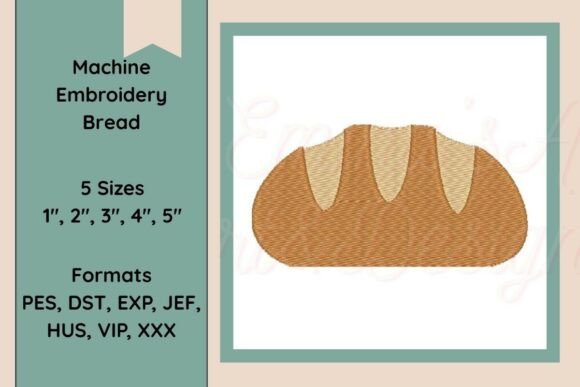
As an embroidery designer who has spent years curating collections for personalized gift shops and small business owners, I approach every new machine embroidery design with a specific set of eyes. I look beyond the digital preview to imagine the finished product in a customer's hands. Recently, I tested the Bread Machine Embroidery Design, a file that promises to add a warm, traditional bakery touch to various projects. Inspired by freshly baked artisan bread, this detailed loaf design captures the comforting essence of home cooking. Before listing it on my shop or recommending it to fellow Etsy sellers, I needed to see how it translates from screen to stitch.
The First Impression: Warmth and Artisan Charm
When I first opened the embroidery file, the mood was immediately apparent. This is not a cartoonish or overly simplified graphic; it feels grounded and classic. The design radiates a sense of nostalgia, evoking the smell of yeast and the golden crust of a perfect loaf. For those creating handmade products that aim for an elegant yet cozy aesthetic, this design hits the mark perfectly. It strikes a balance between playful charm and sophisticated detail, making it versatile enough for a modern kitchen towel or a rustic nursery blanket.
The emotional appeal of the Bread Machine Embroidery Design is its strongest asset. In the world of personalized gifts, customers are often looking for items that tell a story or evoke a feeling. A loaf of bread symbolizes sustenance, care, and the heart of the home. Whether you are a wedding gift designer creating a keepsake for a couple starting their life together or a baby product creator adding a whimsical touch to a nursery item, this motif resonates deeply. It transforms a simple textile into a conversation starter.
Practical Applications for Gift Creators
During my testing phase, I explored how this design performs across different mediums. The versatility of the digital embroidery file makes it a strong contender for several high-demand categories:
- Kitchen Textiles: On an embroidered towel or a sturdy apron, the design looks authentic and inviting. The texture of the bread crust mimics the weave of the fabric beautifully, especially when using natural thread colors like wheat, gold, and soft browns.
- Home Decor: I stitched a sample onto a linen pillow cover. The result was stunning. The loaf became a focal point, perfect for a farmhouse-style living room or a kitchen nook. It elevates the perceived value of the item significantly.
- Baby and Nursery Items: While one might hesitate to put food imagery in a nursery, the stylized nature of this loaf works wonderfully for baby embroidery on blankets or burp cloths. It adds a "cozy kitchen" vibe to a child's room without being too literal.
- Custom Tote Bags: For the eco-conscious shopper, a canvas tote featuring this design is a great way to market a small shop product. It suggests a love for baking and local markets.
- Wedding Keepsakes: Imagine a guest book cover or a custom table runner for a wedding reception. This design fits the "rustic chic" trend perfectly, serving as a unique wedding gift element.
For the Etsy seller or digital product vendor, the ability to use this design for custom embroidery previews is invaluable. Creating a printable mockup showing the design on a finished product helps buyers visualize the potential, driving higher engagement and sales.
Navigating Fabric and Technical Challenges
While the Bread Machine Embroidery Design is robust, there are scenarios where caution is required. As a professional, I always advise clients to consider the medium before committing to a large order. Here are the areas where I recommend extra attention:
- Fabric Texture: If you are working with very thick towels or highly textured fabrics, the fine details of the bread crust might get lost. The stitches need space to sit flat. Always test on a scrap piece of your specific material.
- Stretchy Materials: For stretchy baby clothes or knit fabrics, the density of the design could cause puckering if not stabilized correctly. Use a tear-away or cut-away stabilizer appropriate for the fabric weight.
- Curved Surfaces: Embroidering on curved items like mugs or rounded bottle caps requires specialized hoops and techniques. Ensure the hoop size allows for proper tension without distorting the loaf shape.
- Dark Fabrics: The design relies on subtle shading to create the 3D effect of the bread. On dark fabric, you may need to adjust the thread colors or add a layer of underlay to ensure the loaf pops rather than blending into the background.
- Frequent Washing: Products like dish towels undergo rigorous washing. Check the stitch density to ensure the threads won't snag or loosen over time. A tighter satin stitch might be needed for durability.
Enhancing Giftability and Business Value
Incorporating the Bread Machine Embroidery Design into your catalog can significantly boost the perceived value of your items. Customers today crave authenticity. When they see a finished product with such a thoughtful, detailed motif, they associate it with quality craftsmanship. This builds customer trust and encourages repeat business.
From a marketing perspective, this design is a goldmine for photography. The warm tones of the bread contrast beautifully against neutral backgrounds, making for excellent product photos. These images perform well on social media, increasing buyer engagement. Furthermore, offering this as part of a commercial embroidery line allows you to target niche markets, such as bakeries looking for branded merchandise or families celebrating a new home.
Essential Tips for Successful Stitching
To ensure your results match the high standards of a professional shop, follow these practical steps when using this machine embroidery design:
- Test on Scrap Fabric: Never skip this step. Stitch out the design on the exact fabric and stabilizer combination you plan to use for the final product.
- Check Thread Color Contrast: Experiment with different shades of beige, brown, and cream. The right color palette brings the loaf to life.
- Confirm Hoop Size: Verify that the design fits comfortably within your hoop without crowding the edges, which can lead to registration issues.
- Review Stitch Density: Look closely at the back of the test stitch. If there is excessive thread buildup, you may need to adjust the settings in your software.
- Compare Light and Dark Mockups: Visualize how the design looks on both light and dark materials to offer variety to your customers.
- Inspect Small Details: After stitching, zoom in on the crust lines and any text elements. Ensure they are crisp and legible.
- Verify Licensing: Before selling finished products, always confirm the commercial licensing terms of the digital embroidery file. Some designs require specific permissions for resale.
The Bread Machine Embroidery Design is more than just a pattern; it is a tool for storytelling. Whether you are crafting a blanket embroidery for a newborn or a custom apron for a wedding shower, this design adds a layer of warmth and tradition that mass-produced items simply cannot replicate. By paying attention to technical details and choosing the right applications, you can create Food-themed Embroidery pieces that become cherished family heirlooms.